

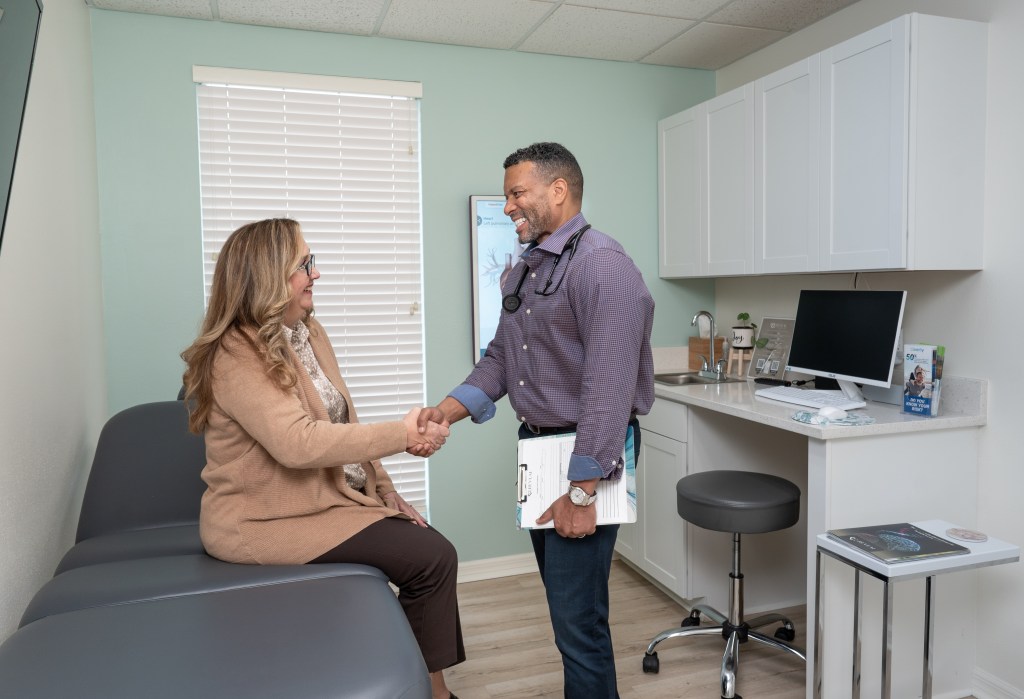
Heart disease remains the leading cause of death in the United States, and Sarasota is no exception. With an older population and an active lifestyle community, being aware of the early signs of heart disease is essential for staying healthy and preventing serious complications. Too often, people miss subtle warning signs that something is wrong with their heart. By learning to recognize these signals early, Sarasota residents can take action and protect themselves with timely medical care.
Why Is It Important to Recognize the Early Signs of Heart Disease?
Catching heart disease in its earliest stages can dramatically change outcomes. When symptoms are identified and treated promptly, patients have more options for lifestyle changes, medications, and preventive strategies. Ignoring or dismissing early warning signs allows conditions like coronary artery disease, arrhythmias, or heart failure to progress silently.
In Sarasota, many people live active lives well into their retirement years. Recognizing the subtle indicators of heart disease allows them to continue enjoying boating, golfing, tennis, or travel without being sidelined by preventable health crises. Early detection doesn’t just save lives—it preserves independence and quality of life.
What Subtle Symptoms Might Indicate Heart Disease?
Heart disease does not always announce itself with dramatic chest pain. In fact, some of the earliest signs can be much more subtle. Shortness of breath during light activity, unexplained fatigue, or swelling in the ankles and feet can all point to heart issues. Sarasota residents should also pay attention to feelings of lightheadedness, palpitations, or pressure in the chest that comes and goes.
For women, symptoms can be even less typical. Instead of the crushing chest pain often associated with a heart attack, women may experience nausea, jaw or back pain, indigestion, or an unusual level of tiredness. Because these symptoms can be easily attributed to other causes, they are often overlooked until it is too late.
How Do Lifestyle and Risk Factors Influence Early Signs?
Some people in Sarasota are at higher risk for developing heart disease, even if they feel healthy. High blood pressure, elevated cholesterol, smoking, diabetes, and obesity all increase the chances of heart problems. A family history of cardiovascular disease also raises risk significantly.
In these cases, even small symptoms should be taken seriously. For instance, a person with diabetes who notices mild shortness of breath or fatigue should not dismiss it as simply aging. When layered on top of risk factors, these signs may be the body’s first warnings of heart disease.
When Should Shortness of Breath Be a Concern?
Shortness of breath can be a normal response to exercise, but when it happens during mild activity or at rest, it may signal an underlying heart issue. Sarasota residents who notice they are becoming winded climbing stairs, walking across a room, or even lying down at night should seek medical evaluation.
Heart failure, coronary artery disease, or arrhythmias can all present with breathing difficulties. Because shortness of breath often develops slowly, many people ignore it until it interferes with daily life. Consulting a cardiologist early can help identify the cause and prevent worsening complications.
What Role Does Chest Pain or Pressure Play in Early Heart Disease?
Chest pain remains one of the most recognized symptoms of heart problems, but not all chest discomfort feels the same. Some patients describe it as pressure, tightness, or even a burning sensation. In Sarasota, individuals sometimes mistake chest discomfort for acid reflux or muscle strain.
The key difference is when the pain occurs. Chest discomfort during activity, which improves with rest, is a classic sign of coronary artery disease. This should never be ignored, as it may indicate restricted blood flow to the heart. Identifying these patterns early can save lives.
Are Palpitations or Irregular Heartbeats Early Warning Signs?
An irregular heartbeat, fluttering sensation, or pounding pulse can indicate arrhythmias such as atrial fibrillation. While occasional palpitations may not be dangerous, frequent or prolonged episodes should always be checked.
In Sarasota, where many residents are older, atrial fibrillation is especially common and significantly increases the risk of stroke. Detecting and managing arrhythmias early can prevent long-term complications and improve overall heart function.
Can Fatigue or Weakness Signal Heart Disease?
Fatigue is a common complaint, but when it persists despite adequate rest, it may be a sign of reduced blood flow from the heart. Some Sarasota residents may feel unusually tired after daily tasks like grocery shopping, light exercise, or climbing stairs.
Because fatigue can have many causes, people often dismiss it or blame it on aging. However, when combined with other risk factors or subtle symptoms, it should prompt an evaluation by a cardiologist. Fatigue linked to heart disease often improves significantly with proper treatment.
If you’re experiencing any of these early signs—or simply want peace of mind about your heart health—it may be time to take the next step. Contact Reveal Vitality in Sarasota today at (941) 217-2777 to schedule a comprehensive consultation and protect your heart for the future.
How Do Cardiologists Detect Early Heart Disease?
Cardiologists use advanced testing to detect heart disease before it becomes life-threatening. This includes EKGs, echocardiograms, stress tests, CT scans, and detailed lab work. Concierge cardiologists in Sarasota often provide even more comprehensive screenings, including genetic and hormone testing, to evaluate overall risk.
These tests help identify problems at their earliest and most treatable stages. With this information, doctors can develop a tailored plan that combines medical treatment with lifestyle changes to restore heart health and prevent progression.
Why Is Concierge Cardiology Especially Valuable for Early Detection?
Traditional primary care often lacks the time and resources to conduct in-depth heart assessments. Concierge cardiologists, on the other hand, dedicate more time to each patient and employ advanced diagnostics as part of preventive care. This makes early detection not just possible, but a priority.
In Sarasota, where residents value staying active and healthy for the long term, concierge care ensures that heart health doesn’t get overlooked. By identifying risks and symptoms early, patients can take control of their future and live with greater confidence.
Your heart is too important to leave to chance. Call Reveal Vitality at (941) 217-2777 today and learn how early detection with concierge care can protect your most vital organ for years to come.
Meet the Doctors of Reveal Vitality
Dr. Christopher Davis, M.D., F.A.C.C.
Dr. Davis is a triple-board-certified cardiologist in internal medicine, cardiovascular disease, and interventional cardiology. He trained at Johns Hopkins/Sinai Hospital and the University of Virginia. As the Founder and CEO of Reveal Vitality, he blends cardiology expertise with functional and regenerative medicine to help patients detect risks early and maintain long-term vitality.
Dr. Angela Jordan, DNP, FNP-BC, ACLM, RN
Dr. Jordan is a Doctorate-level Family Nurse Practitioner with more than 15 years of experience in functional and integrative care. She specializes in chronic illness management, hormone optimization, and cancer support, using a root-cause approach to empower patients toward lasting health improvements.
Dr. Victoria Andarcia, M.D.
Dr. Andarcia is a board-certified internal medicine physician with advanced fellowship training in integrative medicine at the University of Arizona. She focuses on women’s hormonal health, perimenopause, and menopause, helping patients restore balance and prevent long-term cardiovascular complications through personalized care.
Time to Reveal a new you! Contact Us Today
Book an appointment for your personal health assessment.


 Reveal Vitality & Longevity Institute, Sarasota FL