

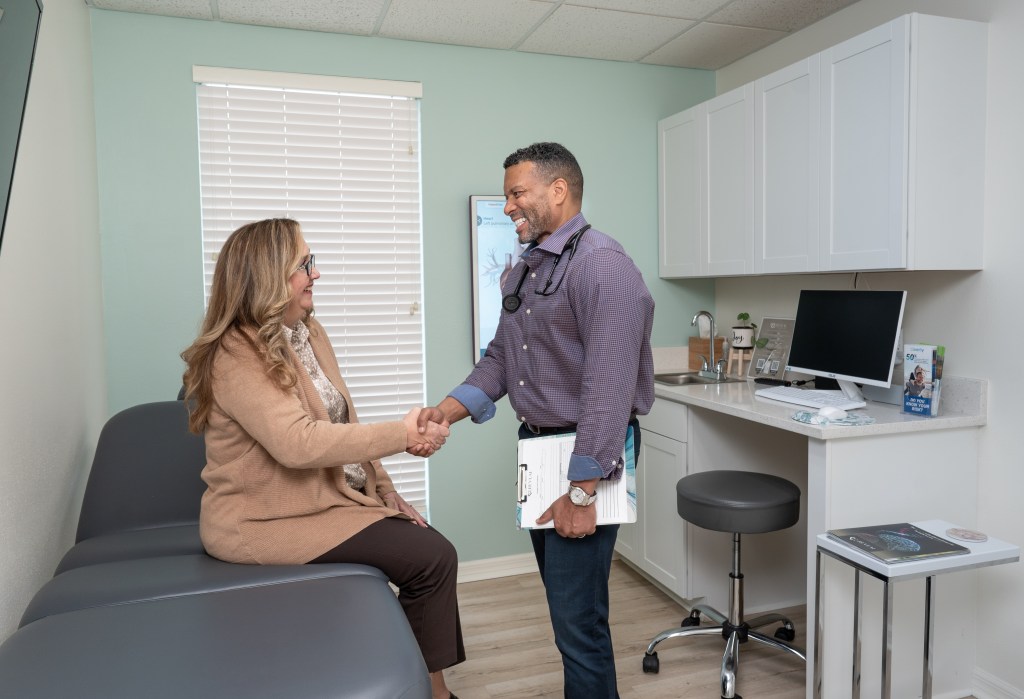
Sarasota’s Dr. Christopher Davis of Reveal Vitality Explains the Subtle Warnings You Should Never Ignore
Heart attacks don’t always arrive with crushing chest pressure or dramatic pain. In fact, many people—especially women and older adults—experience quiet, easily missed symptoms that can be just as dangerous. Sarasota cardiologist Dr. Christopher Davis, founder of Reveal Vitality, explains the four silent signs of a heart attack and what you can do to protect yourself before it becomes an emergency.
What Is a Silent Heart Attack?
A “silent” heart attack occurs when blood flow to the heart muscle is reduced or blocked, but the symptoms are mild or mistaken for something else—like fatigue, indigestion, or stress. These subtle events often go untreated because people don’t realize what’s happening.
Dr. Davis notes that silent heart attacks are more common than most think. Studies show that as many as one in five heart attacks may go unnoticed at the time they occur. Later testing often reveals scar tissue or reduced function in the heart muscle.
Because these symptoms are vague, Sarasota patients sometimes delay seeking care. That delay can mean the difference between a full recovery and long-term heart damage.
What Are the Four Silent Signs of a Heart Attack?
1. Unexplained Fatigue That Lingers for Days
Feeling unusually tired, even after rest, is one of the most overlooked early warnings of heart distress—particularly in women. When the heart struggles to pump efficiently, muscles and organs receive less oxygen, leaving you exhausted.
Dr. Davis explains that this type of fatigue often feels different from normal tiredness. It may appear suddenly, last several days, and make ordinary tasks feel draining. If you notice persistent exhaustion that doesn’t match your activity level, schedule an evaluation.
2. Shortness of Breath or Difficulty Catching Your Breath
If climbing stairs, walking across a parking lot, or even speaking makes you feel winded, your heart could be sending a message. Shortness of breath occurs when reduced blood flow prevents oxygen from circulating effectively.
Dr. Davis frequently sees Sarasota patients who dismiss this symptom as being “out of shape” or “just getting older.” However, when breathing trouble arises suddenly or without clear cause, it’s a sign to contact your doctor right away.
3. Nausea, Indigestion, or Abdominal Pressure
Many people experiencing a heart attack describe what feels like heartburn, stomach pressure, or mild nausea. These symptoms are common because the heart and digestive system share nerve pathways.
Dr. Davis emphasizes that Sarasota residents should be especially alert if discomfort occurs with activity or stress, or if indigestion appears without eating anything unusual. For women, this symptom may be the only sign of a cardiac event.
4. Discomfort in the Jaw, Neck, or Upper Back
Pain or pressure in areas other than the chest—such as the jaw, neck, shoulders, or upper back—can also indicate a heart attack. This happens because nerve signals from the heart radiate outward.
The sensation may feel like tightness, dull ache, or even muscle soreness. If the discomfort appears suddenly, worsens with activity, or is accompanied by fatigue or shortness of breath, it deserves immediate evaluation.
Why Do Some Heart Attacks Have “Silent” Symptoms?
The heart’s nerves can react differently depending on age, gender, and overall health. For example:
- Women often experience subtler, diffuse symptoms due to hormonal and structural differences in coronary circulation.
- Older adults or those with diabetes may have nerve changes that blunt pain perception.
- Highly fit individuals may have strong collateral blood flow that masks severe blockage until late stages.
Dr. Davis explains that the absence of chest pressure does not mean the heart is healthy. That’s why preventive screening and awareness of these subtle signs are essential for Sarasota residents.
Who Is Most at Risk for Silent Heart Attacks?
While anyone can experience a heart attack, certain factors raise the likelihood of silent or atypical symptoms:
- Age over 55 for men or 65 for women
- Family history of heart disease
- Diabetes or metabolic imbalance
- High blood pressure or cholesterol
- Smoking or vaping history
- Sedentary lifestyle
- Chronic stress or poor sleep
At Reveal Vitality, Dr. Davis performs advanced risk assessments that look beyond traditional measures. By testing inflammation markers, metabolic function, and vascular health, he helps Sarasota patients understand their personal risk long before symptoms appear.
How Can You Tell If Fatigue or Indigestion Might Be Heart-Related?
It’s not always easy to tell the difference between routine discomfort and something serious. Dr. Davis suggests paying attention to context and persistence.
Ask yourself:
- Did the symptom appear suddenly or without clear cause?
- Does it worsen with activity or emotional stress?
- Do rest, hydration, or digestion remedies fail to relieve it?
- Is there accompanying breathlessness, sweating, or lightheadedness?
If you answer yes to any of these questions, it’s safest to get checked immediately. Sarasota hospitals and cardiology offices are equipped to rule out a cardiac cause quickly—and early evaluation saves lives.
What Should You Do if You Notice Any of These Silent Signs?
If you experience ongoing fatigue, shortness of breath, or unexplained discomfort in the upper body, do not ignore it.
- Call 911 or seek emergency care if symptoms feel sudden, severe, or worsening.
- Do not drive yourself—paramedics can start treatment on the way to the hospital.
- Follow up with a cardiologist such as Dr. Davis for comprehensive evaluation and testing.
Even if the episode turns out to be non-cardiac, it’s always better to rule out a heart attack than risk permanent damage.
What Tests Can Detect a Silent Heart Attack?
Dr. Davis uses several advanced diagnostic tools at Reveal Vitality to uncover evidence of prior or ongoing heart issues:
- Electrocardiogram (EKG): Detects irregular rhythms and past cardiac damage.
- Echocardiogram: Visualizes how well the heart pumps and whether any area has weakened.
- Blood tests (troponin, CRP, cholesterol patterns): Identify inflammation and cardiac strain.
- Coronary calcium scoring: Reveals early plaque buildup before symptoms occur.
- Carotid ultrasound (CIMT): Evaluates blood vessel wall thickness and early atherosclerosis.
By combining these tests, Dr. Davis can determine whether a Sarasota patient has experienced a silent event or is at risk for one in the future.
What Happens After a Silent Heart Attack?
Many people learn they’ve had a silent heart attack only during later testing. Fortunately, with the right care, the heart can often recover and strengthen.
At Reveal Vitality, Dr. Davis designs personalized recovery plans that include:
- Lifestyle optimization: Nutrition, exercise, hydration, and stress management.
- Medication review: Adjusting prescriptions for blood pressure, cholesterol, or circulation.
- Functional medicine integration: Addressing inflammation, hormones, and metabolic health.
- Ongoing monitoring: Regular check-ins and advanced bloodwork to track progress.
The goal is not just to heal but to prevent another event through knowledge, support, and precision medicine.
What Lifestyle Habits Help Prevent a Silent Heart Attack?
Prevention remains the most powerful form of protection. Dr. Davis encourages Sarasota residents to:
- Eat for heart strength: Choose colorful vegetables, lean proteins, and healthy fats like olive oil and avocados.
- Move daily: Aim for 30 minutes of moderate activity most days—walking, swimming, or cycling.
- Reduce stress: Practice breathing, meditation, or quiet reflection to lower cortisol and blood pressure.
- Quit smoking and limit alcohol: Both accelerate arterial aging.
- Get consistent sleep: Quality rest repairs the heart and balances metabolism.
These changes, combined with Reveal Vitality’s testing and coaching, create a powerful shield against future cardiac problems.
Why Do Women Experience Heart Attacks Differently?
Dr. Davis emphasizes that Sarasota women should be especially alert to subtle symptoms. Research shows women are more likely to experience fatigue, indigestion, and upper-back pressure rather than classic chest tightness. Hormonal shifts and smaller coronary arteries often change how oxygen deprivation feels.
Because these signs are easily dismissed, women sometimes wait longer to seek care. Reveal Vitality prioritizes education and early screening for women’s heart health, helping patients recognize these differences and take proactive steps.
How Does Stress Contribute to Silent Heart Attacks?
Chronic stress increases adrenaline, raises blood pressure, and causes inflammation—all of which strain the heart. Emotional distress can also mask physical symptoms, making them easier to overlook.
Dr. Davis incorporates stress and sleep analysis into every cardiology plan at Reveal Vitality. Sarasota patients learn practical ways to calm the body, reduce anxiety, and protect their cardiovascular system.
Can Functional Medicine Detect Hidden Risk Factors?
Yes. Functional cardiology goes beyond surface testing to find the root causes of arterial damage. Dr. Davis evaluates nutritional deficiencies, hormonal imbalances, insulin resistance, and inflammatory pathways that traditional cardiology may miss.
This deeper insight helps Sarasota patients correct underlying issues before they lead to silent or symptomatic heart attacks. It’s precision prevention—the future of modern heart care.
What Should Sarasota Residents Do Next?
If you’ve noticed subtle changes such as unusual fatigue, mild breathlessness, or discomfort in your neck or jaw, don’t ignore your instincts. These may be your body’s early warning signs.
- Schedule a comprehensive evaluation with Dr. Christopher Davis at Reveal Vitality.
- Review your family history and lifestyle to uncover hidden risks.
- Start a prevention plan that includes nutrition, fitness, and stress management tailored to you.
With Sarasota’s active lifestyle and sunshine, your heart can thrive—especially when you stay informed and proactive.
Why Choose Dr. Christopher Davis and Reveal Vitality?
Dr. Davis brings an unmatched blend of expertise and empathy to every patient encounter. As a triple board-certified cardiologist with specialization in functional and integrative medicine, he offers care that addresses both the science of the heart and the art of whole-body wellness.
At Reveal Vitality, patients experience:
- Advanced non-invasive heart testing
- Concierge-style communication and accessibility
- Individualized plans that target root causes
- Education to empower long-term success
- Compassionate, evidence-based care centered on prevention
This approach ensures Sarasota residents receive the most comprehensive, modern, and patient-focused heart care available.
What Is the Key Takeaway?
Silent symptoms don’t mean minor danger. The four silent signs of a heart attack—fatigue, shortness of breath, indigestion, and upper-body discomfort—are your body’s subtle alerts that something isn’t right.
Recognizing these early warnings, getting tested, and working with a preventive cardiologist like Dr. Christopher Davis at Reveal Vitality can dramatically reduce the risk of serious heart damage or future events.
Take Action for Your Heart Health Today
If you live in Sarasota or the surrounding Gulf Coast area, take control of your heart wellness today.
Call Reveal Vitality at 941-217-2777 to schedule a comprehensive heart health consultation with Dr. Christopher Davis.
Early awareness saves lives—and your best defense is proactive prevention.
References
- American Heart Association. Heart Attack Symptoms in Women. Available at: https://www.heart.org/en/health-topics/heart-attack/warning-signs-of-a-heart-attack
- Mayo Clinic. Silent Heart Attack: What You May Not Know. Available at: https://www.mayoclinic.org/diseases-conditions/heart-attack/in-depth/heart-attack/art-20047443
- Cleveland Clinic. Silent Heart Attacks: Causes and Prevention. Available at: https://my.clevelandclinic.org/health/diseases/21906-silent-heart-attack
- Centers for Disease Control and Prevention (CDC). Heart Attack Symptoms and Treatment. Available at: https://www.cdc.gov/heartdisease/heart_attack.htm
- Johns Hopkins Medicine. Women and Silent Heart Attacks. Available at: https://www.hopkinsmedicine.org/health/conditions-and-diseases/heart-attack/women-and-silent-heart-attacks
Time to Reveal a new you! Contact Us Today
Book an appointment for your personal health assessment.
Your message has been sent

 Reveal Vitality & Longevity Institute, Sarasota FL