

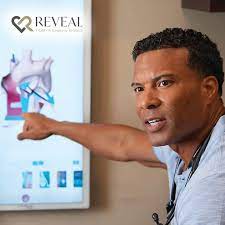
A heart attack can strike suddenly — and when it does, knowing which doctor to see can save your life. In Sarasota, Florida, residents have access to world-class cardiac care through Dr. Christopher Davis at Reveal Vitality, a triple board-certified cardiologist known for combining advanced medical expertise with a personalized, preventive approach.
This detailed guide explains what happens during a heart attack, which symptoms you should never ignore, when to call 911, and what kind of doctor to see afterward. You’ll also learn what recovery looks like and how Sarasota’s Reveal Vitality can help you rebuild your heart health and confidence through modern, functional cardiology.
What Is a Heart Attack?
A heart attack—also known as a myocardial infarction—occurs when blood flow to a section of the heart muscle becomes blocked, typically by a buildup of cholesterol, fat, or plaque within the arteries. Without enough oxygen-rich blood, part of the heart muscle begins to weaken or die.
This is a medical emergency that requires immediate attention. The faster you receive care, the greater your chance of recovery and long-term heart health.
Dr. Davis of Reveal Vitality emphasizes that many heart attacks begin quietly with warning signs that are often ignored or mistaken for something else. Recognizing the symptoms early and getting the right medical attention is crucial.
What Are the Most Common Symptoms of a Heart Attack?
Heart attack symptoms can vary widely. Some people experience intense chest pressure, while others have subtle discomfort that comes and goes. Here are the most common signs to watch for:
- Chest tightness, squeezing, or pressure that may spread to the shoulders, arms, back, neck, or jaw.
- Shortness of breath, even at rest.
- Cold sweating or clammy skin.
- Nausea or lightheadedness.
- Fatigue that feels unusual or extreme.
- A feeling of indigestion or heartburn that doesn’t go away.
Symptoms in Women
Women often experience more subtle signs such as:
- Back or jaw discomfort.
- Shortness of breath without chest pain.
- Unexplained fatigue lasting several days.
- Nausea or stomach discomfort.
Dr. Davis stresses that Sarasota patients should not wait for dramatic symptoms. Any chest discomfort that lasts more than a few minutes—or goes away and returns—should be treated as an emergency.
When Should You Call 911 Instead of Driving to the Hospital?
If you suspect a heart attack, call 911 immediately. Never try to drive yourself or wait to “see if it goes away.” Emergency responders can begin life-saving treatments en route to the hospital, including oxygen, defibrillation, or clot-busting medications.
Once you’re stabilized, the emergency team will typically connect you with a cardiologist—like Dr. Davis—who will perform further tests and determine the best course of treatment.
What Kind of Doctor Treats a Heart Attack?
The doctor who specializes in diagnosing and treating heart attacks is a cardiologist—a physician with advanced training in diseases of the heart and blood vessels. Cardiologists like Dr. Christopher Davis are experts in:
- Detecting heart disease through advanced imaging and testing.
- Managing emergency and post-heart-attack care.
- Preventing future cardiac events through personalized treatment plans.
If you’re in Sarasota and have had a heart attack—or think you might be at risk—Dr. Davis at Reveal Vitality is the right doctor to see. His integrative approach looks beyond short-term recovery, focusing instead on long-term cardiovascular wellness.
Why Choose Dr. Christopher Davis at Reveal Vitality?
Dr. Davis is a triple board-certified cardiologist with expertise in internal medicine, cardiology, and integrative/functional medicine. At Reveal Vitality in Sarasota, he offers a concierge model of care that ensures you receive personalized attention, advanced testing, and a long-term prevention strategy.
Patients choose Reveal Vitality because:
- You receive customized heart health plans based on advanced diagnostics.
- The focus is on root causes — not just treating symptoms.
- You have direct access to Dr. Davis for questions and ongoing care.
- Care includes nutrition, stress management, hormone optimization, and lifestyle support to protect the heart naturally.
This approach allows Sarasota residents to go beyond traditional cardiology and experience a more holistic path to recovery and longevity.
What Tests Might a Cardiologist Order After a Heart Attack?
After a heart attack, Dr. Davis will likely perform or review several key tests to evaluate the extent of damage and guide your recovery plan. These may include:
- Electrocardiogram (ECG or EKG): Measures the electrical activity of the heart.
- Echocardiogram: Uses sound waves to create images of the heart’s structure and motion.
- Cardiac catheterization: Checks for blockages in the coronary arteries.
- Blood tests: Measure enzymes released when heart muscle cells are damaged.
- Stress testing: Evaluates how your heart responds to physical exertion.
Dr. Davis uses these results to create a personalized treatment roadmap that combines medical management with lifestyle optimization.
What Should You Expect After a Heart Attack?
Recovery after a heart attack involves several phases, including hospitalization, rehabilitation, and ongoing follow-up care. The goal is to rebuild heart strength, reduce risk factors, and improve overall well-being.
Typical recommendations include:
- Cardiac rehabilitation: A structured program involving exercise, education, and support.
- Medication management: To regulate blood pressure, cholesterol, and clotting.
- Lifestyle modification: Including diet, exercise, and stress reduction.
- Regular monitoring: Through checkups and heart health testing with your cardiologist.
At Reveal Vitality, Dr. Davis goes beyond the standard recovery plan by incorporating functional medicine testing to identify inflammation, nutrient deficiencies, and metabolic imbalances that affect heart health.
What Are the Long-Term Lifestyle Changes After a Heart Attack?
Recovering from a heart attack doesn’t end when you leave the hospital—it’s a lifelong journey. Dr. Davis recommends the following lifestyle adjustments for Sarasota patients:
- Adopt a heart-healthy diet: Focus on fruits, vegetables, lean protein, and healthy fats such as olive oil and avocado.
- Exercise safely: Gentle, consistent activity—like walking Sarasota’s beaches or swimming—helps strengthen the heart.
- Quit smoking: One of the most important changes for preventing future attacks.
- Manage stress: Meditation, yoga, or spending time outdoors can lower blood pressure and promote heart healing.
- Limit alcohol: Excess drinking can weaken the heart and interfere with medications.
- Follow up regularly: Continue seeing Dr. Davis for blood work, imaging, and cardiovascular assessments.
These changes don’t just prevent another heart attack—they improve overall quality of life.
When Should You See a Cardiologist in Sarasota?
You should see a cardiologist if you:
- Experience chest pressure, tightness, or shortness of breath.
- Have a family history of heart disease or stroke.
- Have high blood pressure, cholesterol, or diabetes.
- Are recovering from a heart attack or heart procedure.
Even if you have no symptoms, Sarasota residents over age 40 should consider a preventive consultation with Dr. Davis. Early detection and personalized care are key to avoiding emergencies.
How Does Functional Cardiology at Reveal Vitality Differ from Traditional Care?
Dr. Davis’s approach at Reveal Vitality blends advanced cardiology with functional medicine, which focuses on identifying and correcting the underlying causes of disease rather than simply managing symptoms.
This means that, in addition to standard cardiac care, Sarasota patients benefit from:
- Comprehensive lab testing for inflammation, hormones, and metabolic health.
- Personalized nutrition and supplement protocols.
- Focus on gut health, sleep, and stress management.
- Preventive strategies designed to reduce the risk of recurrence.
This whole-body approach helps patients not only recover but thrive after a heart attack.
What Are the Warning Signs You Should Never Ignore?
Even if you’ve already recovered from a heart attack, it’s important to recognize the warning signs of a possible recurrence or other cardiac problem:
- New or worsening chest pressure.
- Sudden fatigue or dizziness.
- Unexplained swelling in your legs or feet.
- Shortness of breath when lying down or climbing stairs.
- Irregular or rapid heartbeat.
If you experience any of these symptoms, contact your doctor right away—or call 911 if they are severe.
What Should Sarasota Patients Know About Heart Attack Prevention?
Prevention starts with awareness. Dr. Davis teaches his Sarasota patients that 80% of heart disease is preventable through lifestyle and early intervention. His preventive approach includes:
- Regular cardiovascular screenings.
- Comprehensive blood panels to detect hidden risks.
- Early management of blood pressure and cholesterol.
- Education on nutrition and movement.
- Stress-reduction techniques to protect vascular health.
Reveal Vitality’s preventive programs are ideal for those who want to take control of their long-term heart health.
How Can Reveal Vitality Help You Rebuild Confidence After a Heart Attack?
After a cardiac event, many patients feel anxious about returning to normal life. Dr. Davis understands this emotional side of recovery. At Reveal Vitality, he provides ongoing support that includes:
- Safe exercise recommendations tailored to your condition.
- Nutritional counseling for sustained energy and healing.
- Personalized supplementation to support cardiac repair and circulation.
- One-on-one guidance to rebuild confidence and restore independence.
With this comprehensive care, Sarasota patients don’t just recover—they thrive.
What Makes Sarasota a Great Place for Heart Health Recovery?
Sarasota’s warm climate and abundance of outdoor spaces make it an ideal environment for recovery and wellness. Walking paths, beaches, and community fitness programs allow for gentle, enjoyable physical activity.
Combine that with access to Reveal Vitality’s concierge-level care, and Sarasota becomes one of the best places in Florida to focus on heart health and long-term vitality.
What Is the Takeaway for Sarasota Residents Concerned About Heart Health?
If you experience symptoms of a heart attack, act fast and call 911. Once you are stabilized, follow up with a cardiologist who takes a personalized, whole-body approach—like Dr. Christopher Davis at Reveal Vitality.
He and his Sarasota team offer more than just treatment—they provide education, prevention, and empowerment. Through their advanced testing, lifestyle guidance, and individualized care plans, you can protect your heart, regain confidence, and live fully.
Take the First Step Toward Better Heart Health Today
If you’re concerned about heart attack symptoms or want to improve your cardiovascular health, reach out to Reveal Vitality in Sarasota. Dr. Davis will create a plan designed specifically for your body, lifestyle, and long-term goals.
Call Reveal Vitality today at 941-217-2777 to schedule your consultation with Dr. Christopher Davis.
References
- American Heart Association. Heart Attack Symptoms, Diagnosis, and Treatment. https://www.heart.org/en/health-topics/heart-attack
- Mayo Clinic. Heart Attack – Symptoms and Causes. https://www.mayoclinic.org/diseases-conditions/heart-attack/symptoms-causes/syc-20373106
- Cleveland Clinic. Heart Attack: Treatment and Recovery. https://my.clevelandclinic.org/health/diseases/16818-heart-attack
- Centers for Disease Control and Prevention (CDC). Heart Disease Facts. https://www.cdc.gov/heartdisease/facts.htm
- National Heart, Lung, and Blood Institute (NHLBI). How to Prevent Heart Disease. https://www.nhlbi.nih.gov/health/heart
Time to Reveal a new you! Contact Us Today
Book an appointment for your personal health assessment.


 Reveal Vitality & Longevity Institute, Sarasota FL